Wellness shopping is no longer just about filling a cart with cosmetics or dietary supplements. Recent retail formats merge purchase and sensory experience, and this convergence is changing the way we conceive of self-care in our daily lives. Understanding the mechanisms at play allows us to transform a trip to the store into a genuine lever for physical and mental health.
Refuge stores and sensory regulation at the point of sale
The physical store is becoming a space for decompression again. More than half of customers report leaving a store prematurely because they found it too sensory overloaded. The absence of technological interference (fewer screens, fewer notifications) is now the primary attribute associated with a positive shopping experience.
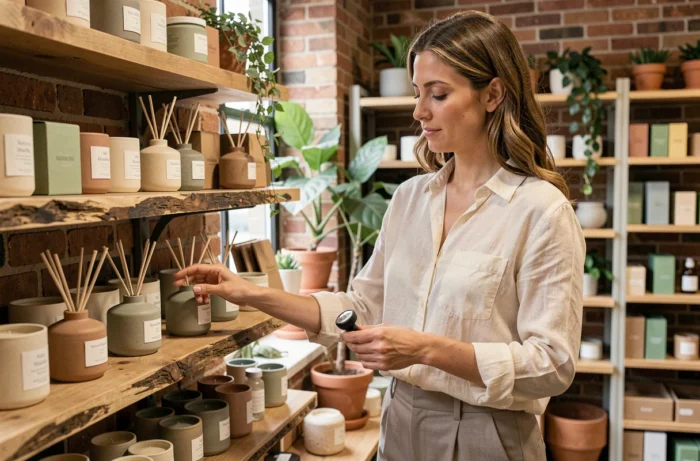
We are witnessing the emergence of “refuge stores” that position themselves as places for emotional regulation. Soft lighting, reduced noise, calm zones: these spaces do not just sell a beauty product or clothing; they offer a physiological pause. The body reacts directly to the light and sound environment, and a space designed to lower cortisol levels transforms the visit into a micro-recovery session.
This shift requires choosing brands with as much care as one chooses products. A store that focuses on natural lighting and limits music playback has a measurable effect on heart rate, even during a twenty-minute visit. The setting matters just as much as the contents of the bag when leaving.
Wellness shopping and hybrid experiences in-store
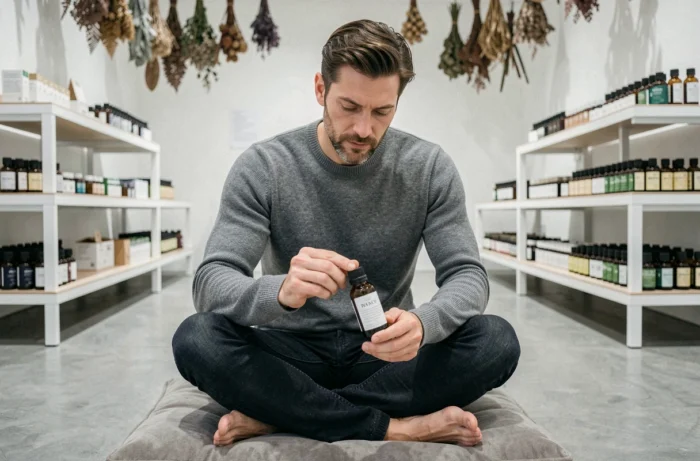
The most structuring trend in current wellness retail is the fusion of purchase and service. Shopping is shifting towards formats that combine buying and experience: integrated spa in-store, cosmetic formulation workshops, sensory events around skin or body. The product becomes secondary; it is the experience lived on-site that justifies the trip.
Specifically, we recommend identifying brands that integrate wellness functions into traditional shopping interactions. Some salons combine beauty treatments with light or drainage therapies. Hotels combine fitness and mindfulness directly into the booking process. This model translates into fashion, sports, or cosmetic stores, where exploring shopping on Belle en Forme allows you to spot players who blend personalized advice with a care approach.
This hybrid format has a concrete advantage: it extends the time spent in-store without forcing a purchase. The wellness felt on-site creates a lasting positive association between the brand and the customer’s emotional state. We see this as an underutilized lever for taking care of oneself without turning every outing into a compulsive expense.
Selection of wellness products and in-store choice criteria
Buying “wellness” means nothing without a framework for understanding. When entering a space dedicated to beauty or health, three technical criteria separate a useful purchase from a marketing purchase.
- Verifiable composition: a product that highlights vitamin C or magnesium as a key ingredient must position it among the top five components on the INCI list. Below that, the concentration remains too low to have an effect on the skin or body.
- Compatibility with existing routine: a vitamin C serum layered over an acid exfoliant can cause irritation. Before buying, we recommend listing the active ingredients already present in your bathroom to avoid duplicates or incompatibilities.
- Format suited to actual use: a 200 ml bottle of high-end hair care will expire before being finished if washing is bi-weekly. Adapting the format to the usage rhythm avoids waste and maintains the product’s effectiveness.
This selection process transforms shopping into a genuine act of care. Taking the time to read a label in-store, compare two formulations, ask for a sample: these actions slow down the shopping pace and reinforce the feeling of control, a recognized factor of psychological well-being.
Fashion and sports as vectors of daily care
Choosing clothing with intention alters body posture and self-perception. This is not a matter of trend or style; it is a proprioceptive mechanism: garments suited to body type improve posture and reduce muscle tension.
We distinguish two complementary approaches during a fashion-sport shopping session:
- Technical textiles for sports: prioritize materials that regulate body temperature and wick away sweat. A well-fitted compression legging supports venous circulation during exercise, which is as much about care as it is about performance.
- Everyday clothing as a comfort tool: a cut that does not compress the chest or abdomen improves diaphragmatic breathing. This criterion, rarely mentioned in-store, should guide the choice of a top as much as its color.
- Recovery accessories available in sports stores: massage rollers, elastic bands, acupressure mats. These products complement an active wardrobe and transform a textile purchase into a body care routine.

The idea is not to buy more but to reframe each clothing or sports purchase in terms of its impact on the body. A successful shopping experience in fashion or sports leaves an immediate physical sensation: clothing tested in the fitting room with real movements, shoes tried on while walking, fabric evaluated by touch.
Integrating wellness into your shopping routine without overconsumption
The trap of “self-care shopping” remains the justification of unnecessary purchases under the guise of health. Wellness through shopping comes from the quality of the experience, not the volume of purchases. A visit to a store where one tests a product, engages with a trained advisor, and takes the time to feel a texture produces a benefit without an obligatory transaction.
We recommend planning a wellness shopping outing as one would plan a workout: a specific goal, a defined time, a chosen location for its ambiance. This intention transforms the outing into a ritual rather than a consumption reflex. The mental benefit lies in the break from the everyday and the controlled sensory stimulation, not in the checkout.
Brands that have understood this now offer experiences without purchase obligation: skin diagnostics, olfactory workshops, hair consultation sessions. Taking advantage of these services is the best way to enjoy wellness shopping without burdening either your budget or your closet.