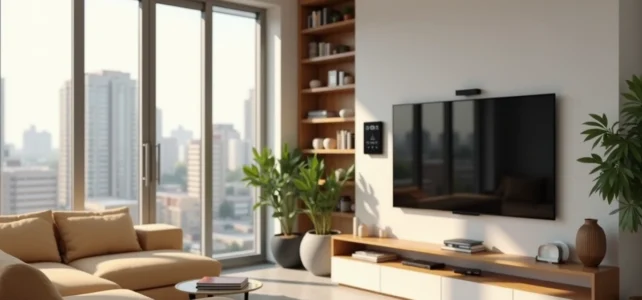
A home rated A on the energy performance certificate (DPE) can turn into an oven in the summer. Triple-glazed windows installed without mechanical air intake generate mold within a few months. And an improperly sized home automation system ends up being disabled due to lack of maintenance. Choosing equipment for a modern habitat requires distinguishing real comfort gains from the marketing arguments that saturate the market.
Thermal kettle and summer comfort: the blind spot of energy equipment
The DPE evaluates winter consumption. It largely ignores summer thermal behavior. A home can display a high performance rating while accumulating unbearable heat from June to September. This phenomenon, described as thermal kettle, constitutes a blind spot in the current energy diagnosis.
We observe that heating equipment still concentrates the majority of budgets, while summer comfort is becoming a standalone issue. External solar protections, air circulators, programmed night ventilation: these devices are not included in any regulatory obligation related to the DPE, but their absence significantly degrades habitability.
To guide an equipment project without neglecting this aspect, consulting the available equipment at Idylle Habitat allows for identifying solutions that also address summer comfort, not just winter energy performance.
Ventilation and window sealing: an underestimated technical arbitration
Replacing old windows with high-performance aluminum or PVC frames improves insulation. But a very airtight window without mechanical air intake creates an imbalance that encourages condensation and mold.
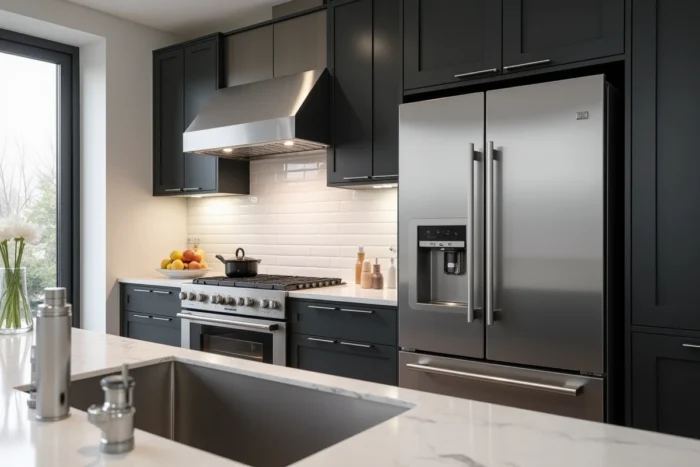
The absence of a mechanical ventilation system (VMC) is not illegal in itself in an existing home. However, the building must allow for what is called “decent” ventilation. In practice, we recommend never separating a window replacement project from a reflection on ventilation. Installing triple glazing without reviewing air renewal is akin to sealing a hermetic box.
Three criteria to check before approving a window quote:
- The presence of integrated air inlets in the frames or at least a single-flow VMC, sized according to the volume of the rooms
- The Uw coefficient of the window (thermal performance), but also the solar factor Sw that conditions summer heat gains
- Acoustic compatibility: a thermally efficient glazing does not guarantee sufficient sound attenuation, especially in urban areas
The choice between aluminum and PVC is not just a matter of style or design. Aluminum allows for thinner profiles, thus more glazed surface and natural light. PVC offers better thermal bridge breakage at a lower cost. The decision depends more on the glazed surface/orientation ratio than on an aesthetic criterion.
Modular home automation: equipping in small touches rather than as an integrated system
Field feedback converges: heavy home automation installations, designed as a global system from the outset, suffer from a high abandonment rate. Proprietary protocols, interrupted updates, incompatibilities between generations of sensors. The maintenance cost often exceeds the usage benefit after a few years.
We observe a market shift towards progressive and reversible deployments. A connected thermostat, then motorized shutters, then automated lighting: each component operates independently and can be replaced without jeopardizing the whole system.
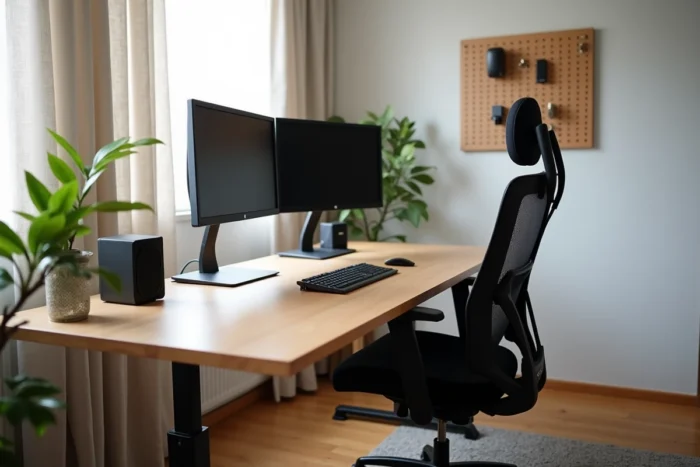
This modular model imposes a selection criterion often overlooked: protocol compatibility. Equipment that communicates via open standards (Zigbee, Z-Wave, Matter) offers greater longevity than those dependent on proprietary cloud services. A connected device that stops working if the manufacturer’s server shuts down is not a sustainable investment.
Integrated storage and material quality: the invisible comfort
Storage does not appear in any diagnosis, but it conditions the daily functionality of a space. A custom storage unit, integrated into the design of the bedroom or living room, frees up floor space and reduces visual clutter. The effect on perceived comfort is immediate.
The quality of materials used for these interior fittings deserves special attention. A low-quality melamine panel degrades within a few years in a humid room. A wood veneer or waterproof MDF lasts significantly longer, for a moderate additional cost.
- Favor removable fixing systems to adapt storage to evolving uses (a child’s room that becomes an office, for example)
- Check the VOC (volatile organic compounds) emission ratings of the panels: indoor air quality directly depends on this
- Integrate LED lighting into high cabinets to compensate for the loss of natural light due to storage depth
A modern habitat is judged by the coherence between its equipment, not by the accumulation of technologies. High-performance windows coupled with appropriate ventilation, progressive home automation on open protocols, storage designed to last: these technical choices, less spectacular than a wall-mounted touchscreen, determine real comfort over time.